 جاویدان دی
جاویدان دی
جاویدان دی
جاویدان دی
جاویدان دی
«جاویدان دی» means the Immortals of Dey. «جاویدان دی» یعنی جاویدانانِ دی.
In the month of Dey, year 2584 of the imperial calendar, a cult of personality writes fifty thousand innocents into its Ledger. Blood is the one ink the Ledger cannot hold. The page tears, and the dead of the old empire come back for their country. در ماهِ دیِ سالِ ۲۵۸۴ شاهنشاهی، فرقهای پنجاه هزار بیگناه را در دفترِ خود مینویسد. خون تنها مرکبی است که دفتر نگاهش نمیدارد. برگ پاره میشود و مردگانِ آن شاهنشاهیِ کهن برای سرزمینِ خود بازمیگردند.
WE DO NOT FORGIVE; WE DO NOT FORGET «نه میبخشیم، نه فراموش میکنیم»
Everything below this line is invented. The killing it was built for was not. The month of Dey happened, it was documented, and the figures with the organisations that published them are set out on the front page. Read the killings of Dey. هرچه پس از این خط میآید ساختگی است. کشتاری که برای آن ساخته شده، نبود. ماهِ دی رخ داد، مستند شد، و آمارها با نامِ نهادهایی که منتشرشان کردهاند در صفحهٔ نخست آمده است. کشتارِ دی را بخوانید.
THE MONTHآن ماه
The game counts years in the imperial calendar, whose epoch is 559 BC and the accession of Cyrus. The Islamic Republic abolished that count in 1978. Year 2584 is the winter of 2025 into 2026, the same winter as the killings the front page documents. Using the calendar the regime erased is the first thing the satire does. بازی سالها را به گاهشمارِ شاهنشاهی میشمارد؛ گاهشماری که مبدأش ۵۵۹ پیش از میلاد است، سالِ بهتختنشستنِ کوروش. جمهوری اسلامی این شمارش را در ۱۳۵۷ برانداخت. سالِ ۲۵۸۴ همان زمستانِ ۲۰۲۵ به ۲۰۲۶ است، همان زمستانی که صفحهٔ نخست مستندش کرده است. بهکاربردنِ تقویمی که حکومت پاکش کرد، نخستین کارِ این طنز است.
Dey begins the night after Yalda, the longest night of the year. In the fiction the killing starts on Yalda night and the campaign ends on Nowruz morning. The regime chose the darkest night. The darkest night is what woke the light. دی از فردای شبِ یلدا آغاز میشود، بلندترین شبِ سال. در داستان، کشتار در شبِ یلدا شروع میشود و لشکرکشی در بامدادِ نوروز پایان میگیرد. حکومت تاریکترین شب را برگزید. همان تاریکترین شب بود که روشنایی را بیدار کرد.
The Daftar files the month as an entry, because to an office of accounts a massacre is bookkeeping. It has a name in their hand and the name is clerical: the Dey Entry. دفتر این ماه را یک «ثبت» بایگانی میکند، چون برای یک دیوانِ حساب، کشتار همان دفترداری است. در خطِ آنها نامی دارد و آن نام، نامی اداری است: «ثبتِ دی».
THE PLACEآن جا
Fifty thousand entries in one month put more blood in the ground than the page could hold, and the page tore. The blood went where water goes in Iran, down the qanats, the old channels that carry water under the desert. It ran out of the cities and reached the Margin. پنجاه هزار ثبت در یک ماه، خونی بیش از توانِ برگ در خاک ریخت و برگ پاره شد. خون همان راهی را رفت که آب در ایران میرود: پایینِ کاریزها، همان کانالهای کهن که آب را از زیرِ کویر میگذرانند. از شهرها بیرون رفت و به حاشیه رسید.
The Margin is the unwritten space at the edge of the Ledger's page. Everything the Daftar never captured is still there, including the ranks who have stood in the dark since Gaugamela. Through the tear, modern Iran is pulled into it. Achaemenid stonework and present-day streets run into each other, and both are real. «حاشیه» فضای نانوشتهٔ کنارِ برگِ دفتر است. هرچه دفتر هرگز ثبتش نکرد هنوز آنجاست، از جمله صفهایی که از گوگَمِل تا امروز در تاریکی ایستادهاند. از شکافِ دی، ایرانِ امروز به درونِ حاشیه کشیده میشود. سنگکاریِ هخامنشی و خیابانِ امروز در هم میدوند و هر دو واقعیاند.
The Farsi carries a joke the English cannot. «حاشیه» is the root of «حاشیهنشین», the regime's word for the marginal: the people pushed to the edge of the city and the edge of the count. The Daftar spent a lifetime calling its victims marginal. The Margin is where its executioners come to die. فارسی طنزی را میرساند که انگلیسی نمیتواند. «حاشیه» ریشهٔ «حاشیهنشین» است، همان واژهای که حکومت برای راندهشدگان به کار میبرد؛ برای مردمی که به لبهٔ شهر و لبهٔ شمارش رانده شدهاند. دفتر یک عمر قربانیانش را حاشیهای خواند. حالا حاشیه همانجاست که جلادانش در آن میمیرند.
The ancient dead can cross because they were never entered anywhere. The empire counted its Immortals by presence and not by page, so the Ledger holds no line to strike through. They could be forgotten. They could not be erased. مردگانِ کهن میتوانند بگذرند چون هرگز جایی ثبت نشده بودند. شاهنشاهی جاویدانانش را به حضور میشمرد و نه به برگ، پس دفتر سطری برای خطزدن ندارد. میشد فراموششان کرد. نمیشد پاکشان کرد.
Blood is the one ink the Ledger cannot hold. «خون تنها مرکبی است که دفتر نگاهش نمیدارد»
THE CORPSسپاه
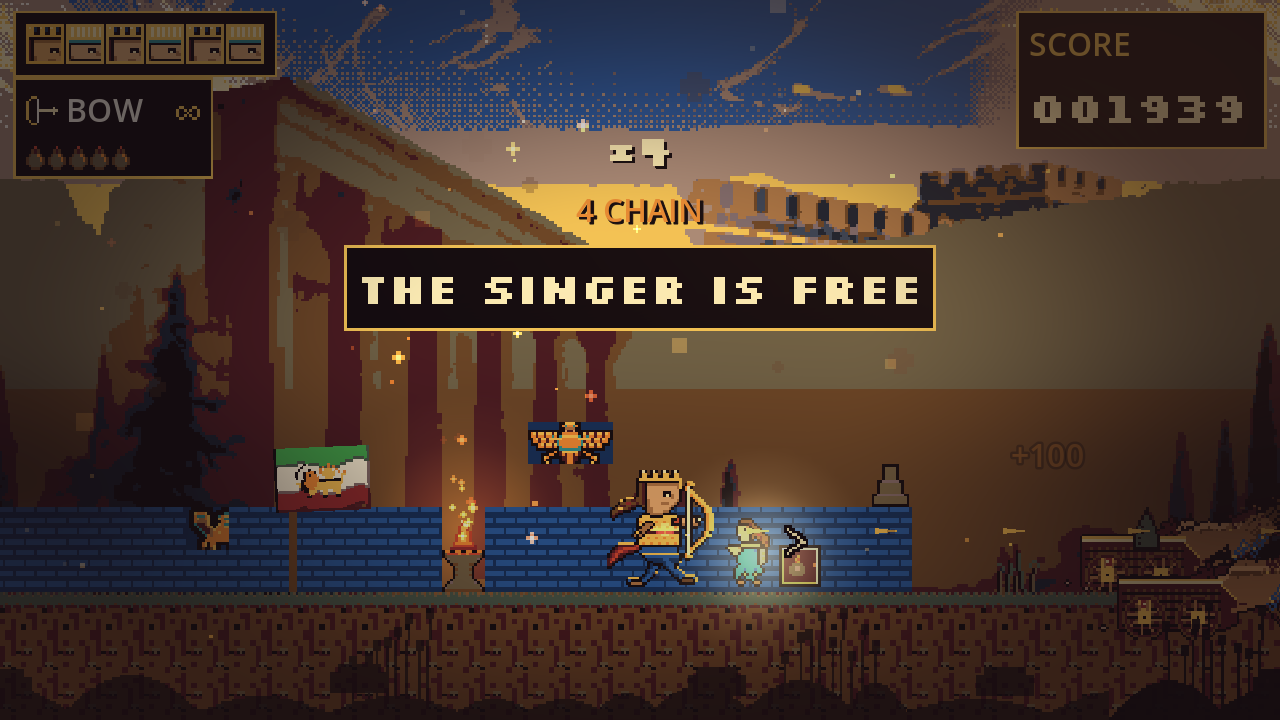
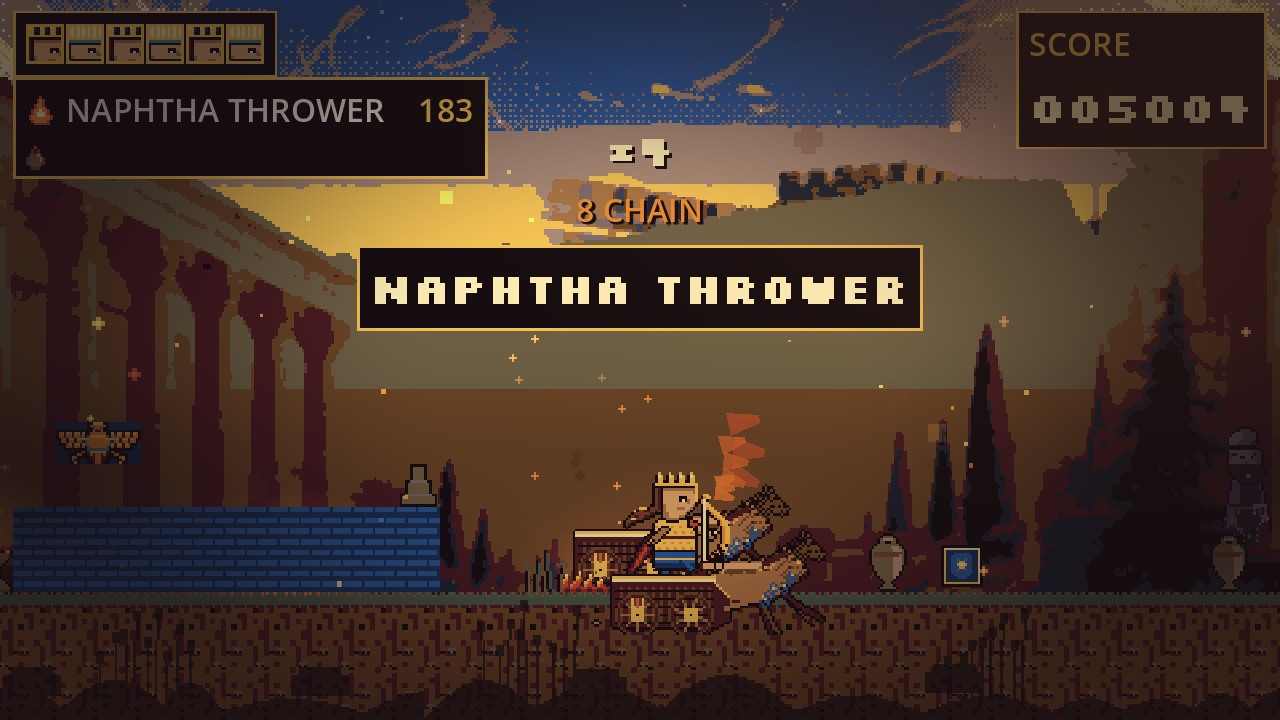
The corps is fifty thousand. One Immortal for each of the murdered, and the arithmetic is the memorial. The title says it plainly: «جاویدان دی» is the Immortals of Dey. سپاه پنجاه هزار تن است. برای هر یک از کشتهشدگان، یک جاویدان؛ و همین حساب، خودِ یادبود است. نامِ بازی همین را میگوید: «جاویدان دی» یعنی جاویدانانِ دی.
They do not wake together. An Immortal wakes when a living person speaks their name over spilled blood. Mourners woke the first two on Yalda night, a mother naming a daughter and a brother naming a brother. Every one after that is woken by the player, because a rescued civilian who sings a name across the battlefield is recruiting. با هم بیدار نمیشوند. هر جاویدان وقتی برمیخیزد که زندهای نامش را بر خونِ ریخته بخواند. سوگواران دو تنِ نخست را در شبِ یلدا بیدار کردند؛ مادری که نامِ دختری را خواند و برادری که نامِ برادری را. باقی را بازیکن بیدار میکند، چون شهروندِ آزادشدهای که نامی را بر میدان میخواند، دارد سرباز میگیرد.
For every one of the fallen, an Immortal rises. «به هر جان، جاویدانی برمیخیزد»
THE TWOآن دو
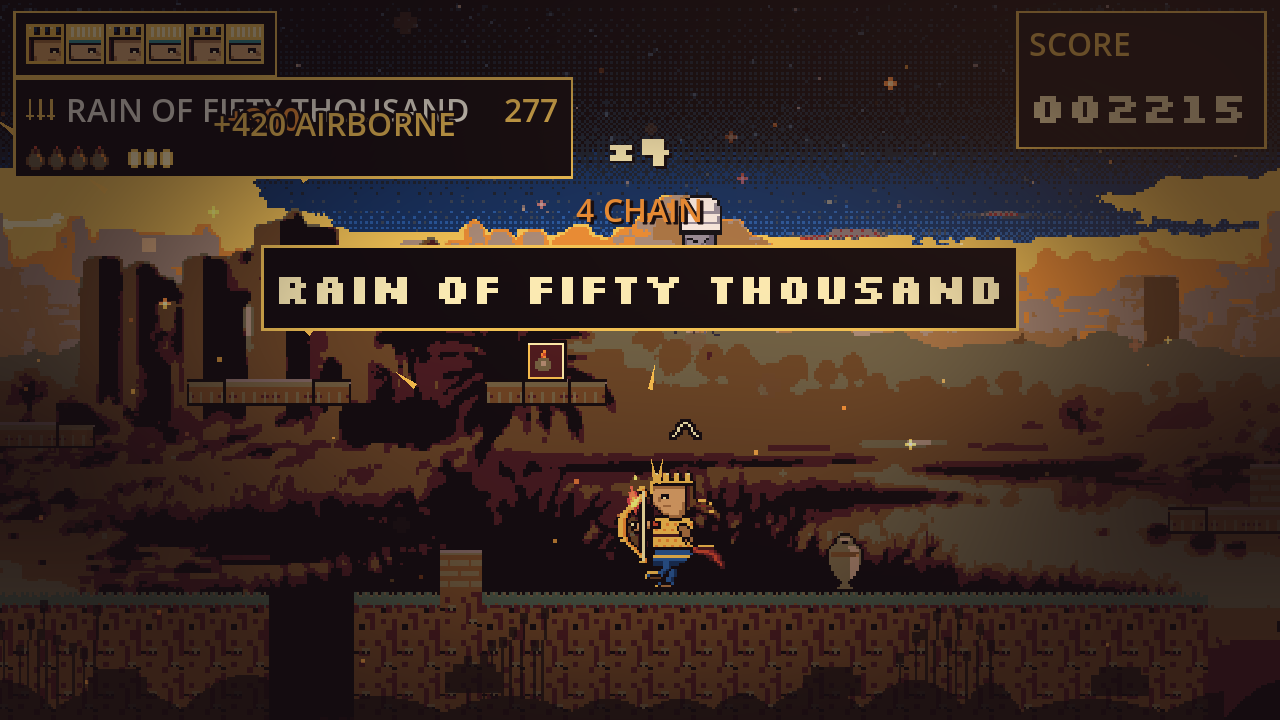
Two Immortals lead the column, a woman and a man with equal billing. دو جاویدان ستون را میبرند: زنی و مردی، همتراز.


Gordafarid of Parsa takes her name from the warrior woman of the Shahnameh who rides out against Sohrab and beats him with wit and range. She fights the same way. Arda of the Court fights close, and he owns the space around him. گردآفریدِ پارسه نامش را از پهلوانزنِ شاهنامه دارد که به جنگِ سهراب میرود و او را به هوش و دوری میبرد. خودش هم به همان شیوه میجنگد. اَردای دربار نزدیک میجنگد و فضای پیرامونش از آنِ اوست.
Crimson cloth streams from both of them. Their blades are bronze and never steel, because grey belongs to the enemy. A gold rim light sits on their lit edge. That is the farr, the divine glory, and the game draws it instead of describing it. The Daftar can never wear it. از هر دو، پارچهٔ سرخ میرود. تیغشان برنز است و هرگز فولاد، چون خاکستری از آنِ دشمن است. بر لبهٔ روشنشان نوری طلایی مینشیند: همان فَر، فرّهٔ ایزدی، که بازی بهجای گفتنش کشیده است. دفتر هرگز نمیتواند آن را بپوشد.
They wake 2,500 years out of time. The first act is partly their education in what century this is, and partly the discovery that the thing ruling it is the same apostate accountancy they marched against at Gaugamela, wearing a new face. دو هزار و پانصد سال دیرتر از زمانِ خود بیدار میشوند. پردهٔ نخست بخشی درسگرفتنشان است از اینکه اینجا کدام سده است، و بخشی این کشف که آنچه بر آن فرمان میراند همان حسابداریِ مرتد است که در گوگَمِل با آن جنگیدند، با چهرهای تازه.
THE ANIMALSجانوران


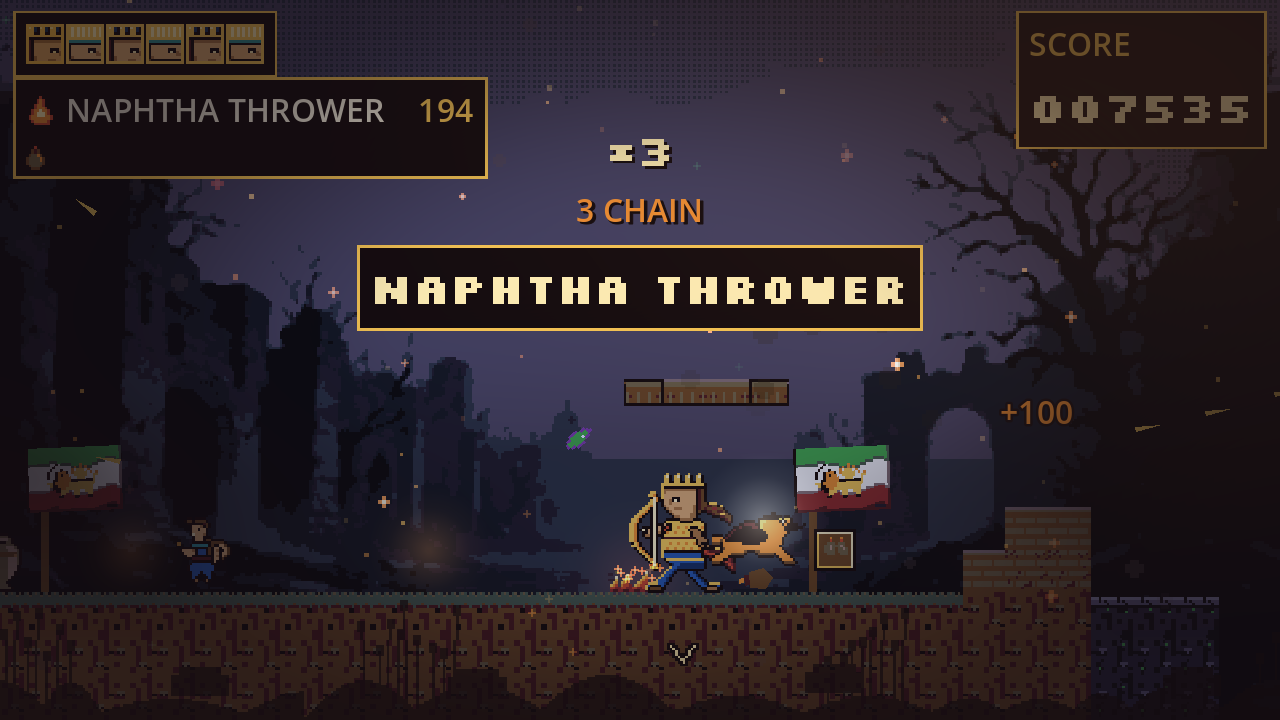
Shirdel («شیردل», Lionheart) is a dog. The Daftar kept him in a cage exactly like the ones it keeps people in, so he is counted among the Freed. His name is the smallest joke in the game. The regime kept dogs to set on people; the people's dog is named Lion. «شیردل» سگ است. دفتر او را در قفسی نگه داشته بود درست مثلِ قفسهایی که آدمها را در آن میاندازد، پس یکی از آزادشدگان شمرده میشود. نامش کوچکترین شوخیِ بازی است: حکومت سگ نگه میداشت تا به مردم بیندازد؛ سگِ مردم نامش شیر است.
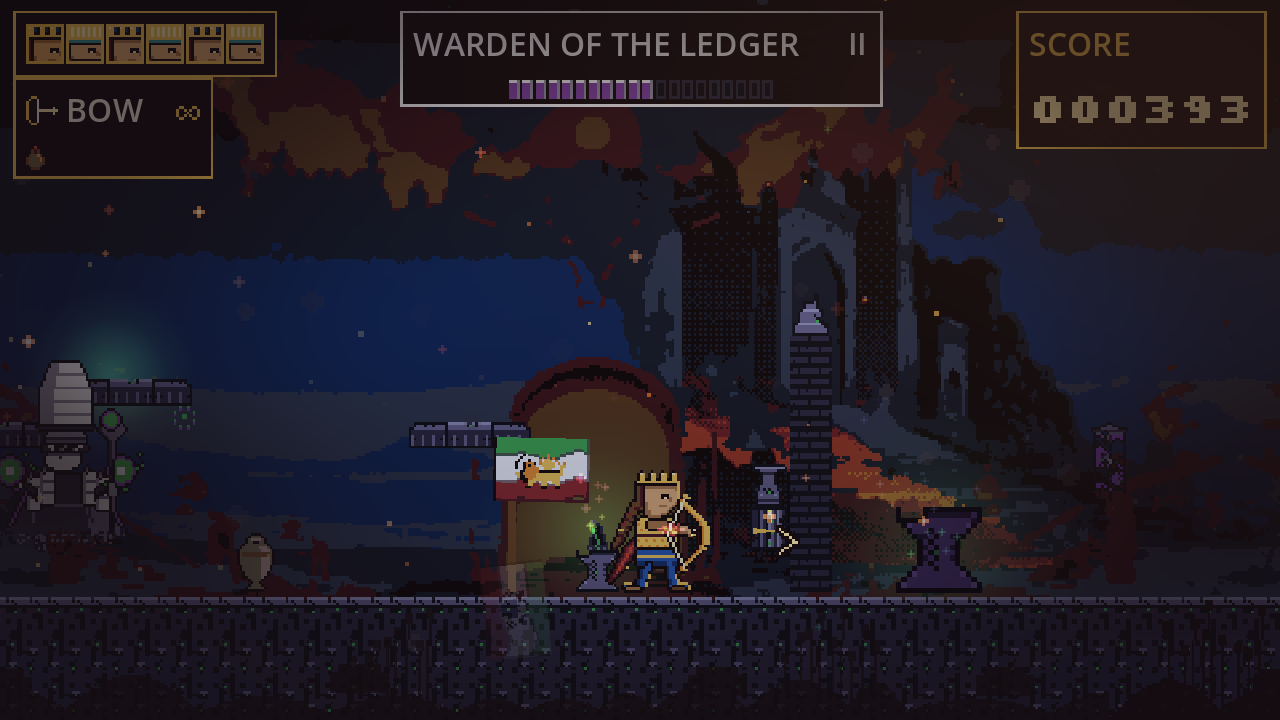
Zhiyan («ژیان») is the other animal that fights beside you. «ژیان» is the Shahnameh's word for a lion in its rage rather than the plain noun for the animal, and the distinction matters, because the flag already has a lion on it and Shirdel already means lionheart. He is a carving in a stone relief until somebody strikes the stone. After that he is loose, slower and heavier than the dog, and much harder to survive. «ژیان» آن جانورِ دیگری است که کنارِ شما میجنگد. «ژیان» در شاهنامه صفتِ شیرِ خشمگین است و نه نامِ خودِ جانور، و این تفاوت مهم است، چون درفش پیشاپیش شیری دارد و «شیردل» هم پیشاپیش یعنی دلِ شیر. تا کسی به سنگ نزند، او نقشی است کنده بر سنگ. پس از آن رها میشود؛ از سگ سنگینتر و کندتر است و جانِ سالم بردن از او بسیار سختتر.
Neither of them is a pet. Both are things the Ledger failed to hold. هیچکدام حیوانِ دستآموز نیستند. هر دو چیزهاییاند که دفتر نتوانست نگهشان دارد.
THE ENEMYدشمن
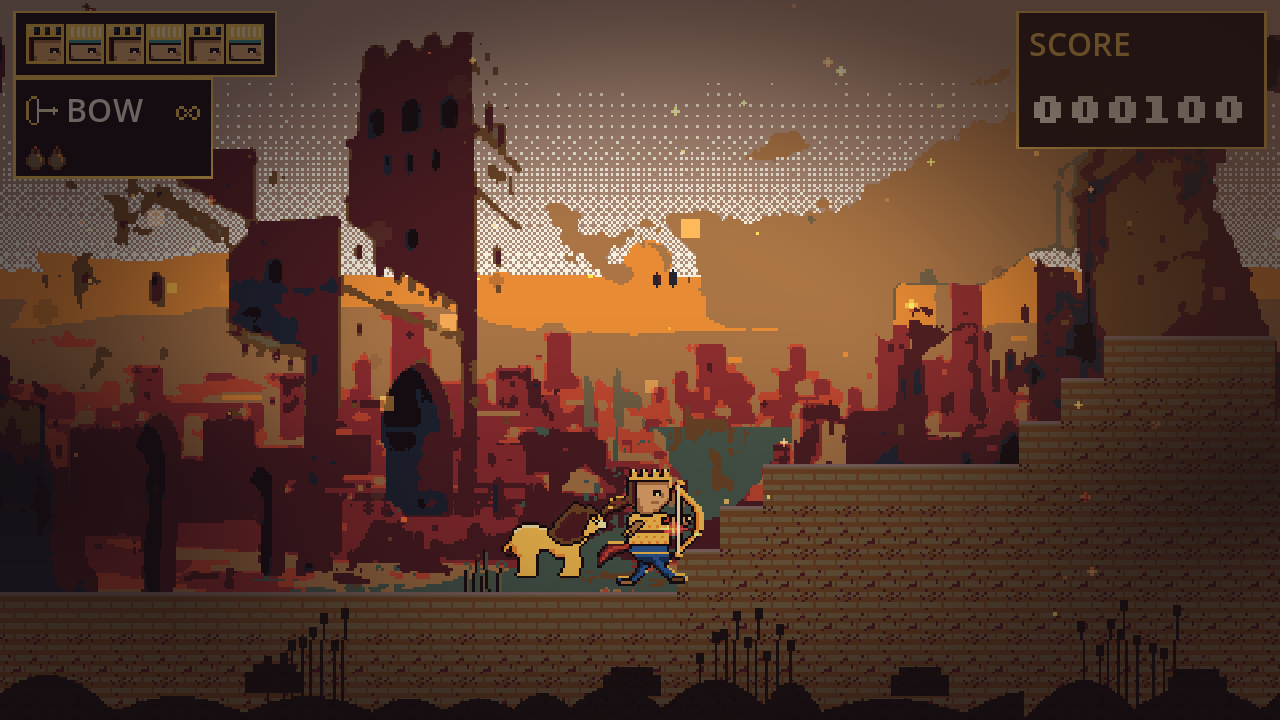
The enemy is the Daftar, the Ledger-Office. Its doctrine is accountancy: everything recorded owes a debt, and salvation is being struck out. It never strikes the people it kills, because striking an entry would free it. The killed are moved to the debit pages and stay there, recorded, as debts that will never be paid. دشمن «دفتر» است، دیوانِ ثبت و حساب. آیینش حسابداری است: هرچه ثبت شود بدهکار است و رستگاری یعنی خطخوردن از دفتر. دفتر هرگز کسانی را که میکشد خط نمیزند، چون خطزدنِ یک سطر آزادش میکند. کشتهشدگان به برگهای بدهی برده میشوند و همانجا میمانند، ثبتشده، بدهیای که هرگز پرداخت نمیشود.
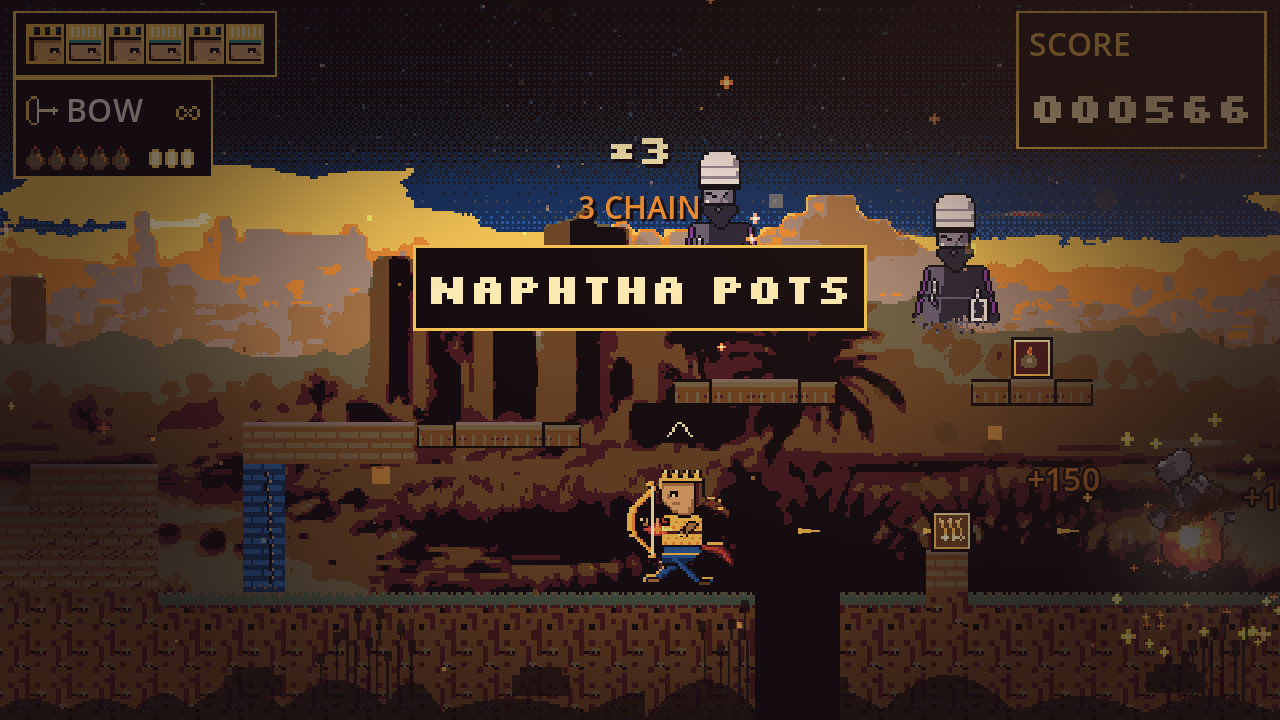
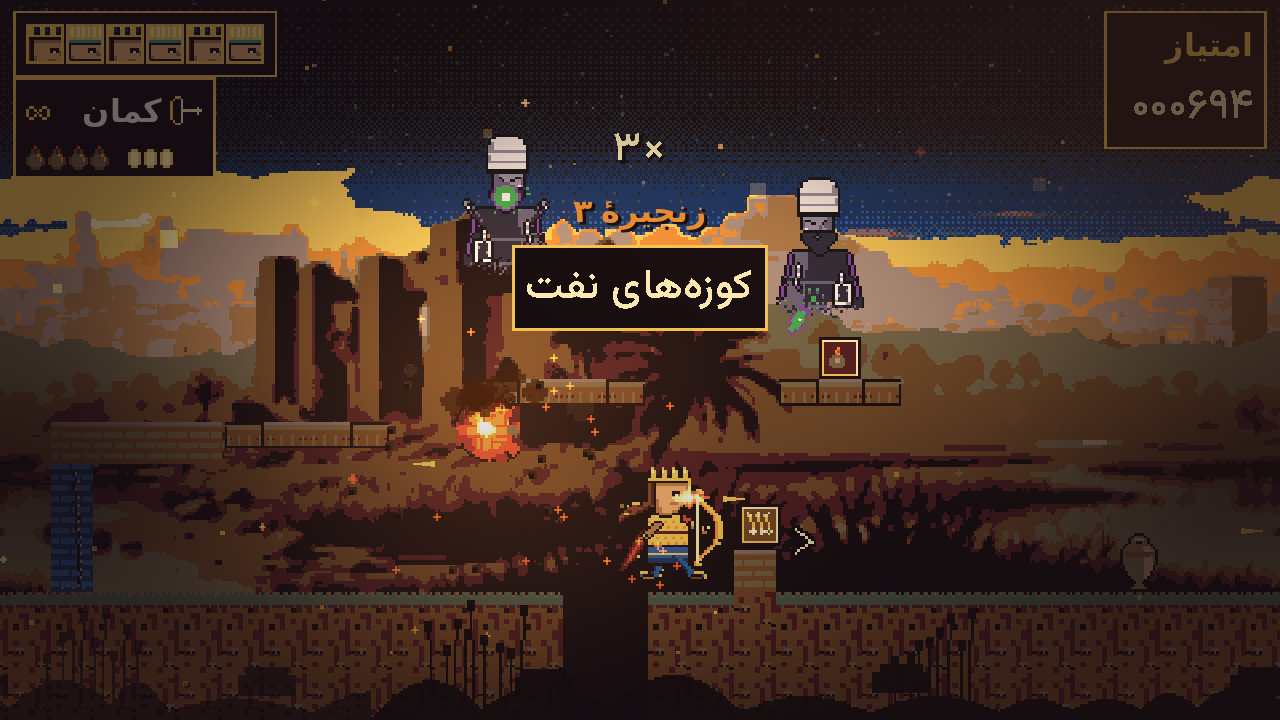
The Daftar reads on three levels at once. The first is the regime cleric: turban, aba, prayer beads, ringed hands. The second is pantomime vizier: levitation, cape flares, a cobra-headed staff. The third is the paperwork, and the paperwork is the one that kills people. دفتر در سه لایه خوانده میشود. لایهٔ نخست، روحانیِ حکومتی است: عمامه، عبا، تسبیح، انگشترهای درشت. لایهٔ دوم، وزیرِ نمایشهای کودکانه است: شناوری در هوا، بازکردنِ ردا، عصایی با سرِ کبرا. لایهٔ سوم، خودِ کاغذبازی است، و همین یکی است که آدم میکشد.
Nothing about the Daftar is decoration. Every rule below is legible on the sprite, at normal size, in a fight. هیچچیزِ دفتر تزئین نیست. هر قاعدهای که پایین آمده، در اندازهٔ عادی و وسطِ نبرد، روی خودِ اسپرایت خوانده میشود.


The cult has one act of worship and it is paperwork. A member signs their own name into the Master Ledger and gives it up. That is why every rank in the empire is nameless and only one person in it is a person. They worship a portrait with nothing written under it. این فرقه یک عبادت بیشتر ندارد و آن هم کاغذبازی است: عضو نامِ خودش را در دفترِ بزرگ مینویسد و از آن دست میکشد. برای همین است که هر رده در این امپراتوری بینام است و تنها یک تن در آن، شخص است. تمثالی را میپرستند که زیرش هیچ نامی نوشته نشده.
The theology is invented. No sacred text is quoted anywhere in the game and no act of worship is depicted. The target is the men who rule, and never anyone's faith. آیینِ بازی ساختگی است. در هیچجای بازی از متنِ مقدسی نقل نمیشود و هیچ عبادتی به تصویر درنمیآید. نشانه، حاکماناند و هرگز ایمانِ کسی نیست.
The Immortals speak in the epic register of the Shahnameh. The
Daftar speaks in flat administrative memoranda, the paperwork voice anyone who has
dealt with the state will recognise: Item: one dancer. Disposition: erased.
The civilians speak warm street Persian, and theirs is the only voice in the game
that sounds like now. That contrast separates the civilians from the Daftar.
جاویدانان به زبانِ حماسیِ شاهنامه سخن میگویند. دفتر به زبانِ خشکِ
بخشنامه حرف میزند، همان لحنِ اداری که هرکس با این حکومت سروکار داشته میشناسدش:
موضوع: یک رقصنده. تعیینِ تکلیف: پاک شد.
مردم به فارسیِ گرمِ کوچه و خیابان حرف
میزنند و این تنها صدایی در بازی است که صدای امروز است. گرمای این یکی در برابرِ
خشکیِ آن یکی، خودِ استدلالِ بازی است.
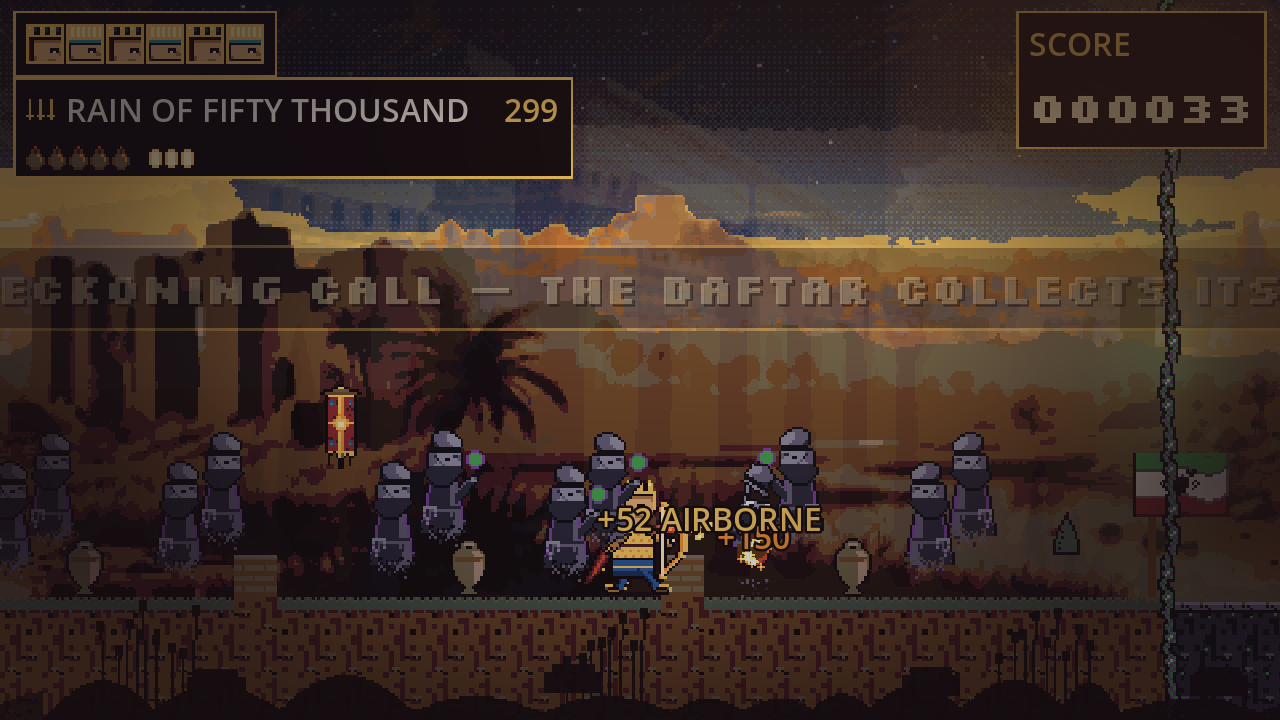
At the head of the Daftar sits a hidden cleric-prince. The people do not use his title. They call him Moosh, which is Persian for mouse. در رأسِ دفتر شاهزادهای معمم و پنهان نشسته است. مردم لقبش را به کار نمیبرند. «موش» صدایش میکنند.
The name comes from the Iranian street and not from us. Iranians mock their rulers as mice for digging tunnels and hiding in them while other people die, and students hang mouse dolls in the trees. The game ships the bare word, «موش», which is the plainest thing a crowd can call a man in a hole. این نام از کوچه و خیابانِ ایران آمده، نه از ما. ایرانیان حاکمانشان را موش میخوانند چون تونل میکَنند و در آن پنهان میشوند تا دیگران بمیرند، و دانشجویان عروسکِ موش از درختها میآویزند. بازی همان واژهٔ برهنه را به کار میبرد، «موش»؛ سادهترین چیزی که یک جمعیت میتواند مردی را در سوراخ بنامد.
The design of him is a machine for contempt and all of it is in the silhouette. The coils of the black turban read as two round ears at normal size. The strike-through seal is carved as a pair of incisors, so every erasure he stamps leaves a gnawed edge. The prayer beads run down his back too long and drag behind him like a tail. He hunches over the Master Ledger and holds it the way a mouse holds a crust, because it is his hoard: fifty thousand portions of other people's glory, none of it his, none of it ripening. طراحیاش ماشینی است برای تحقیر و همهاش در سایهنماست. پیچهای عمامهٔ سیاه در اندازهٔ عادی دو گوشِ گرد خوانده میشوند. مُهرِ خطزدن به شکلِ دو دندانِ پیش تراشیده شده، پس هر پاککردنی که مُهر میکند لبهای جویده بهجا میگذارد. تسبیح از پشتش پایین میآید، بلندتر از آنکه باید، و مثلِ دُم پشتِ سرش کشیده میشود. روی دفترِ بزرگ خم شده و آن را همانطور میفشارد که موش تکهنانی را، چون همان گنجینهاش است: پنجاه هزار سهم از فرِّ دیگران، که هیچکدامش از آنِ او نیست و هیچکدامش هم به بار نمینشیند.
He never raises his voice. His combat lines are memoranda. هرگز صدایش را بلند نمیکند. جملههای نبردش بخشنامه است.
You are not slain. You have been archived. «کشته نشدی؛ بایگانی شدی»
His cult's icon paints him as a lion, maned and radiant, wearing a farr he does not have. Civilians scratch mouse ears onto it wherever it hangs. تمثالِ فرقهاش او را شیری میکشد، یالدار و درخشان، با فَرّی که ندارد. مردم هرجا آویزانش میکنند، رویش گوشِ موش میخراشند.
In the last ninety seconds he unwrites his own name into the Ledger and becomes the Blank Page, an erasure that deletes the buried palace column by column while the player climbs out of the hole he has been hiding in. در نود ثانیهٔ آخر نامِ خودش را در دفتر پاک میکند و «برگِ سپید» میشود؛ پاککنندهای که کاخِ مدفون را ستون به ستون حذف میکند، در همان حال که بازیکن از سوراخی که او در آن پنهان شده بود بالا میرود.
THE POINT OF ITجانِ کلام
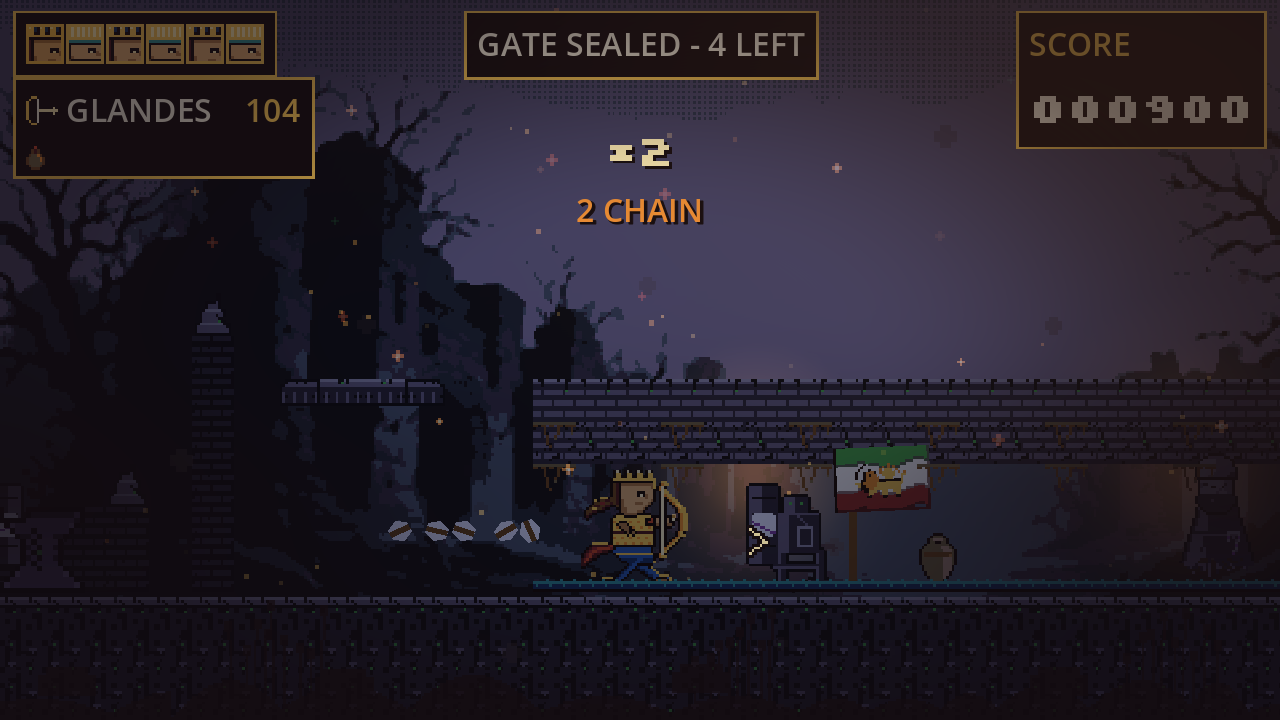
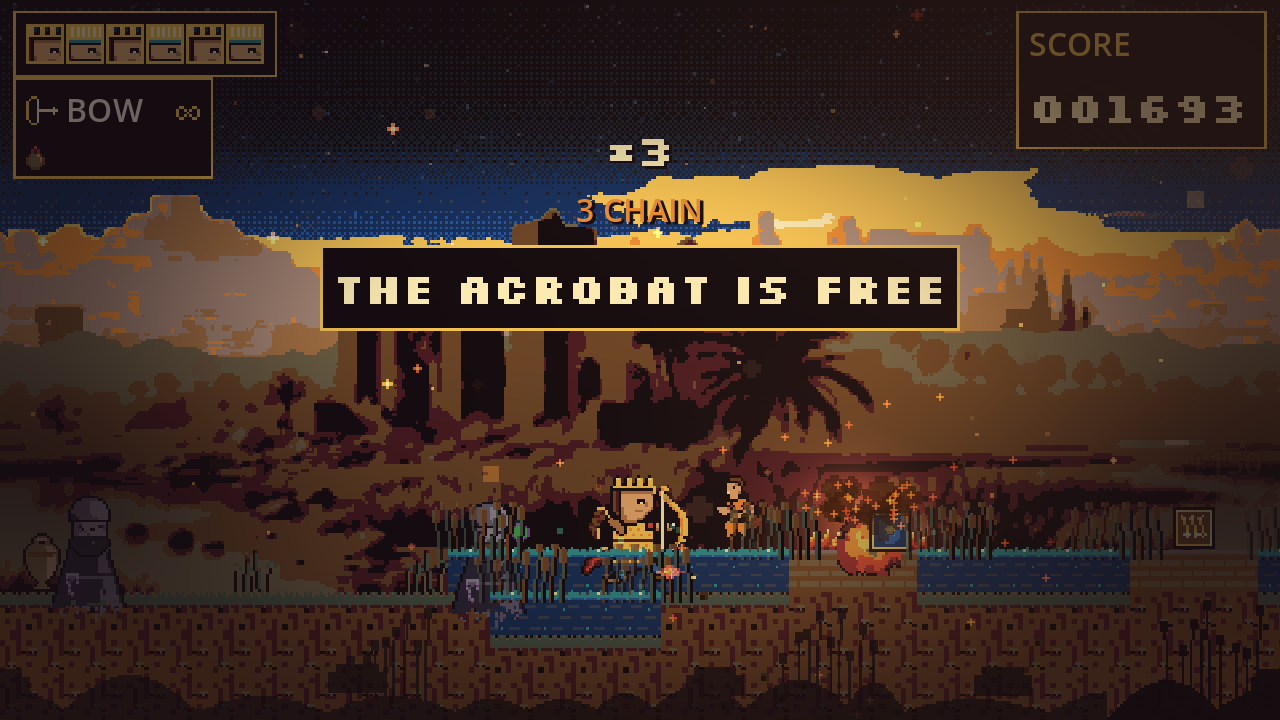
Every level carries makeshift jails in the Metal Slug tradition, but the prisoners are not soldiers. They are dancers, singers, poets, painters, musicians and acrobats. A dance has no serial number and a melody was never registered, which is why the Daftar cannot hold them and why the regime hates them. در هر مرحله، زندانهای سرِهمبندیشده هست، به سنتِ متال اسلاگ؛ اما زندانیها سرباز نیستند. رقصندهاند، خواننده، شاعر، نقاش، نوازنده و آکروبات. رقص شمارهٔ سریال ندارد و آهنگ هرگز ثبت نشده است؛ برای همین دفتر نمیتواند نگهشان دارد و برای همین حکومت از آنها بیزار است.


Each of them is a named person with a craft and a line of biography. Each rescue ends with the freed artist doing the thing they were jailed for, in front of the guns. By the middle of the campaign the banners are being struck by their hands and not by yours. هرکدام شخصی است با نام، با هنری، و با یک سطر شرحِ حال. هر نجات با همان کاری تمام میشود که هنرمند برایش زندانی شده بود، روبهروی تفنگها. تا میانهٔ لشکرکشی، درفشها را دستِ آنها پایین میکشد، نه دستِ شما.
The player does the fighting. The war is won by the people who were in the cages. جنگیدن کارِ بازیکن است. جنگ را کسانی میبرند که در قفس بودند.
THE MARCHراه
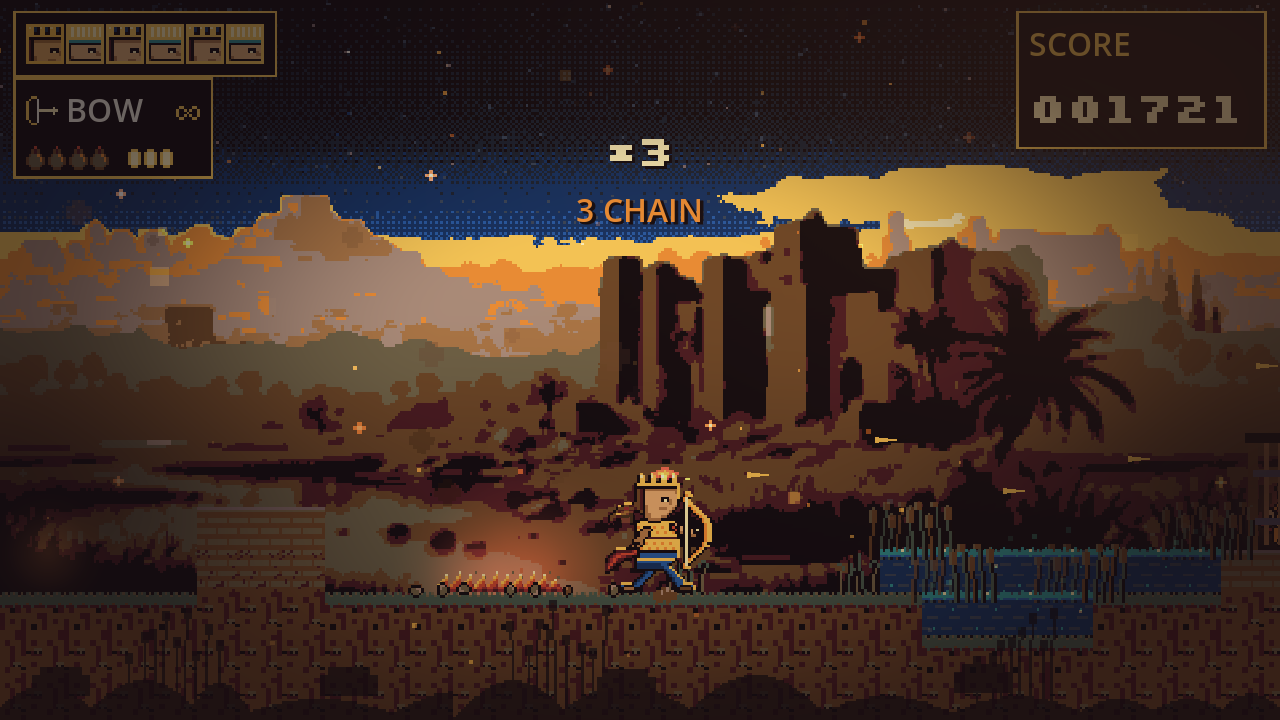
The current release contains twelve playable missions, from Chabahar through Shahr-e Kord. The planned full campaign continues north to Tehran across all 31 provinces, with both legs of each fork required before the route rejoins. نسخهٔ کنونی دوازده مأموریتِ قابلبازی دارد، از چابهار تا شهرکرد. لشکرکشیِ کاملِ برنامهریزیشده از آنجا تا تهران و از هر ۳۱ استان ادامه مییابد؛ در هر دوراهی، هر دو شاخه باید پیش از پیوستنِ دوباره پاک شوند.
Qom is the midpoint, and it is the midpoint on purpose. Qom is the seminary-fortress where the ruling clergy manufactures itself, so breaking it breaks the mould and not only the men, and the clergy visibly thin out afterwards. Its governor is Ništa-Dar («نیشتادار»), the Ledger-Gate, a gate set to rule the city of gates. Mashhad comes late, and the satire there is aimed at the endowment's counting-houses and never at the shrine. قم میانهٔ راه است و از قصد میانهٔ راه است. قم همان دژِ حوزوی است که روحانیتِ حاکم خودش را در آن میسازد، پس شکستنش شکستنِ قالب است و نه فقط شکستنِ آدمها، و پس از آن صفِ روحانیان بهچشم رقیقتر میشود. والیاش «نیشتادار» است، دروازهٔ دفتر؛ دروازهای که بر شهرِ دروازهها فرمان میراند. مشهد دیر میآید و طنزش حسابخانههای موقوفه را نشانه میرود و هرگز حرم را.
The end runs through Evin, where opening the jail doubles the column, and finishes at the House of the Ledger: a compound squatting on a stolen palace, over tunnels, over the buried Apadana the Daftar erased. That is where the Mouse is. پایان از اوین میگذرد؛ گشودنِ زندان ستون را دو برابر میکند. و در «بیتِ دفتر» تمام میشود: مجموعهای که بر کاخی دزدیده چمباتمه زده، بر تونلها، بر آپادانای مدفونی که دفتر پاکش کرد. موش همانجاست.
Between current missions, the Chapar Map records each liberated node in gold. The complete 31-province map and the Tehran ending are the campaign roadmap, not part of this release. میانِ مأموریتهای کنونی، «نقشهٔ چاپار» هر گرهِ آزادشده را طلایی میکند. نقشهٔ کاملِ ۳۱ استان و پایانِ تهران در برنامهٔ ادامهٔ لشکرکشی است و بخشی از این نسخه نیست.
The Portrait made him a lion. The ending gives the lion back to the flag that always owned it. تمثال او را شیر کرده بود. پایانِ بازی شیر را به درفشی برمیگرداند که همیشه از آنِ او بود.
WE DO NOT FORGIVE; WE DO NOT FORGET «نه میبخشیم، نه فراموش میکنیم»